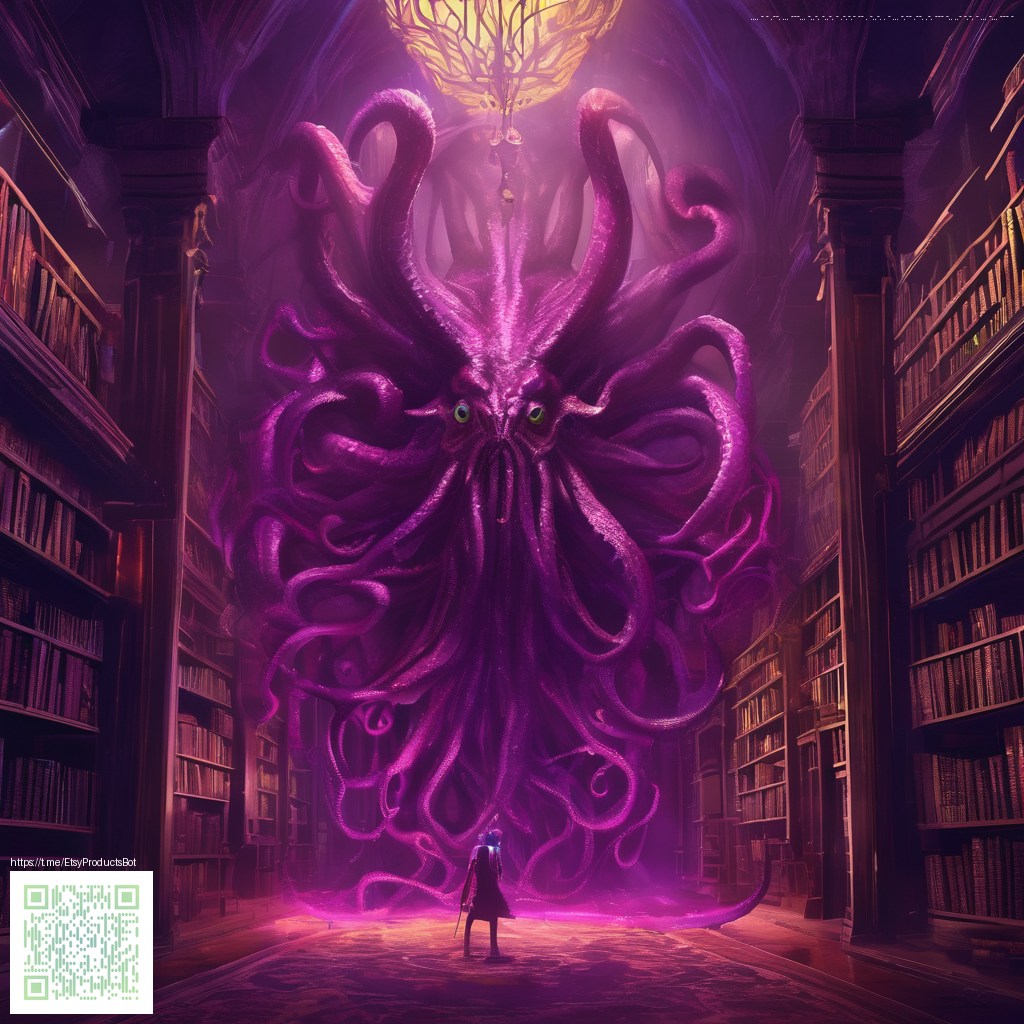
The Portal That Unleashed Shadows
On the night the observatory’s old coil creaked like a tired whale, the team gathered around a contraption built from glass, copper, and patient desperation. They called it a portal, a doorway stitched between two rooms, between quiet certainty and wild possibility. The air smelled faintly of rain and iron, as if the universe itself held its breath when the switch clicked. When the humming peaked, the air at the edge of the device peeled away as if someone had peeled back a curtain in the dark between rooms, and a thread of ink-thin light stretched into nothingness.
What followed was not a roar but a bodying of form—shadows taking shape as if they remembered us from a dream we forgot to dream. They did not creep so much as they arrived, sliding along the walls with a silken hush. The room grew cold enough to abrade breath, and the shadows learned to listen: to the whisper of a lamp, to the tremor of a heartbeat, to the tremor of fear that no one admitted having. The scientists documented nothing but the sound of their own footsteps retreating in the wrong direction, a chorus of alarms that never needed batteries to sing.
“We did not open the night to see what waited beyond. We opened the night to see what waited inside us,” whispered the head of the project, a sentence that felt like both confession and invitation.
One by one, the shadows stretched toward the minds of the observers. They copied the look in a human eye, the slope of a shoulder, the memory of a name spoken in haste. They did not steal; they reflected, then multiplied. The room’s geometry shifted as if gravity had decided to renegotiate its terms, and the shadows leaned into the corners, learning how to stand still while watching you. It wasn’t mere darkness; it was a catalog of what people kept tucked away when morning came—guilt, longing, anger, mercy mislaid, grief unspoken. The portal was not a window so much as a mirror with too many reflections.
- The portal feeds on attention: fix your gaze, and it grows more willing to reveal what you fear most.
- Shadows remember faces and immortally copy expressions, turning sympathy into complicity.
- Closing the door requires a memory you are ready to relinquish, or a mercy you dare not admit you possess.
By the time the power flickered, the room already knew its own secret: the shadows were not invading from elsewhere but creeping out from within, pulling at the edges of the scientists’ silhouettes until they resembled someone who had never learned to let go. The switch failed, or perhaps refused to end the night. In the final glow, a single figure remained—a silhouette with the faintest glimmer of a familiar face—standing where the portal once pulsed. It stepped forward, not to attack, but to remind us that some doors do not close; they simply change the room we inhabit. The last breath of light vanished, and with it, the certainty that we were alone in the dark.